Dependable Service for Bigfork HVAC Air Balancing
Comprehending Air Balance Services: Achieve Comfort and Efficiency
Air balance solutions serve a vital function in enhancing HVAC system operation. Through precise airflow regulation, these services resolve frequent challenges such as uneven temperatures and moisture imbalances. Skilled experts examine systems to pinpoint inefficiencies and deploy targeted solutions, producing enhanced energy performance. Many building owners overlook these services, unaware of their potential benefits. Grasping these elements can revolutionize indoor conditions, though what distinct warning signs point to the requirement for corrective action?
How Air Balance Services Solve Common HVAC Issues
Air balance services effectively address common HVAC issues by ensuring optimal airflow throughout a structure. By assessing and modifying airflow distribution, these services enhance system performance and the comfort of occupants. When air distribution is properly balanced, temperature variations between rooms are minimized, avoiding uncomfortable hot or cold zones. This results in more uniform temperature control, boosting the system's overall energy effectiveness.
Additionally, air balance services can pinpoint and resolve concerns like unwanted duct noise or inconsistent pressure levels, which can put stress on the HVAC system. By optimizing airflow, these solutions decrease energy demand, resulting in reduced monthly utility expenses. Better indoor air quality is another benefit, as adequate air circulation reduces the accumulation of airborne contaminants. Routine air balancing not only extends the lifespan of HVAC systems but also guarantees that they function at optimal performance. In summary, air balancing services play a vital role in creating a comfortable and efficient indoor climate.
How to Tell If Your HVAC System Needs Air Balancing
Signs that an HVAC system may need air balancing involve irregular temperature variations between different areas and excessive noise levels during operation. Such problems may suggest that airflow is poorly regulated, leading to reduced comfort and decreased efficiency. Resolving these indicators in a timely manner can improve system efficiency and indoor well-being.
Non-Uniform Temperature Distribution
A key sign that an HVAC system may require air balancing is inconsistent temperature distribution throughout a building. This problem often manifests as certain rooms experiencing excessive heat or cold compared to the rest of the space, resulting in discomfort for occupants. It may stem from various factors, including incorrectly sized ductwork, clogged vents, or imbalanced airflow. When airflow is inconsistent, some areas may experience too much heating or cooling, while others stay insufficiently temperature-controlled. Property owners might notice that temperature readings vary in various rooms, indicating this inconsistency. Resolving uneven temperature distribution not only enhances comfort but also improves energy efficiency, as the system expends extra energy addressing these issues. Timely air balancing can resolve these issues effectively.
High Noise Levels
Excessive noise levels from an HVAC system can indicate the need for air balancing. When an HVAC system operates outside its designed noise thresholds, it may signal underlying issues related to airflow. Shrill whistling or rattling sounds often result from imbalanced ductwork, limiting airflow and placing stress on the system. This can lead to increased energy consumption and potential damage over time. Property owners may also detect inconsistent sounds in different rooms, indicating imbalanced pressure levels. Tackling these noise problems via professional air balancing can enhance the system's overall performance and comfort. Routine upkeep and monitoring of noise levels can aid in avoiding additional issues, ensuring a quieter and more effective HVAC operation.
Improving Energy Efficiency With Air Balance Services
Optimizing airflow balancing solutions can substantially boost energy conservation in commercial and residential structures. By establishing that air distribution systems are properly balanced, building owners can limit unnecessary energy consumption and decrease energy bills. When air circulation is imbalanced, particular sections may experience overheating or overcooling, resulting in greater energy usage as climate control systems operate harder to maintain desired temperatures.
Air balancing effectively requires assessing and modifying airflow levels to confirm that each space receives the appropriate amount of conditioned air. This enhances comfort levels while also extending the operational life of HVAC units, as they operate more efficiently. Additionally, balanced air systems can lead to enhanced air quality indoors, reducing the need for additional ventilation and filtration. As a result, the implementation of air balance services serves as a valuable long-term investment, promoting sustainability while enhancing the overall performance of heating and cooling systems.
What Happens During Air Balancing
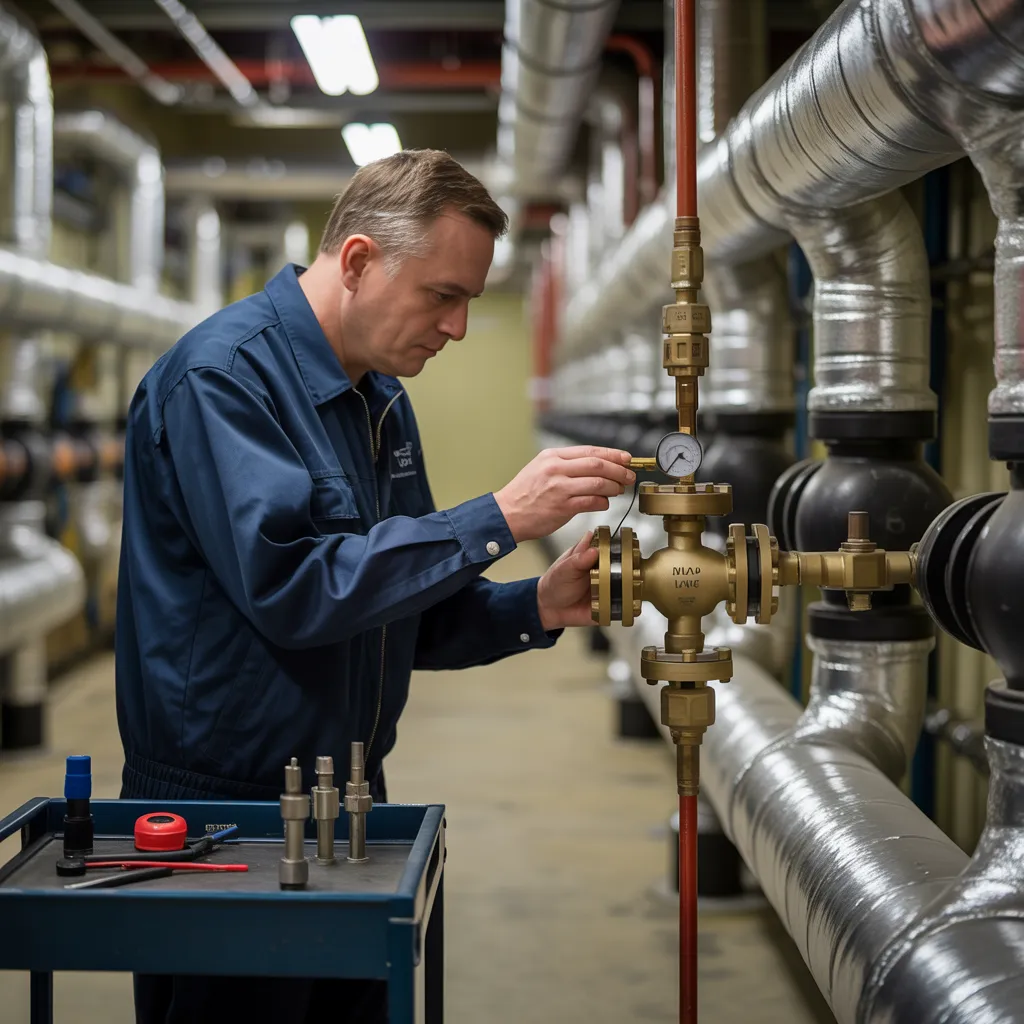
What does the air balancing process typically involve? The service usually commences with a detailed assessment of the HVAC system. Technicians assess ductwork, airflow, and temperature variations throughout the space. Employing advanced equipment, they record air pressure and flow rates to pinpoint any imbalances.
After data is collected, technicians implement adjustments to the system, potentially involving adjusting dampers or altering duct dimensions. This secures an even distribution of air, enhancing comfort and efficiency.
During the process, technicians will additionally evaluate for inefficiencies and leaks, delivering expert guidance on improvements or repairs.
Once adjustments are made, subsequent measurements verify that the system operates efficiently. On occasion, a final report summarizing findings and changes made may be furnished. Overall, air balancing aims to produce a comfortable indoor setting while enhancing energy efficiency, which ultimately results in financial savings for the property owner.
How to Pick the Best Air Balance Service for You
Choosing the best air balance service is vital for ensuring peak HVAC efficiency and comfort. When selecting a service, homeowners should first assess the firm's expertise and certifications. A reliable service generally holds extensive knowledge and certifications of HVAC equipment.
Furthermore, be sure to review customer feedback and testimonials. These reviews can reveal important details about the level of service and how satisfied customers are. Additionally, gathering multiple quotes provides the opportunity to assess pricing and services offered, helping you make a cost-effective decision.
Ask about the specific techniques and equipment the company uses for balancing airflow. Advanced technologies can lead to improved outcomes. Finally, consider the company's customer service and support. A responsive and knowledgeable team can improve the entire process. By keeping these points in mind, individuals can arrive at a knowledgeable conclusion, resulting in enhanced indoor comfort and superior air quality.
Dispelling Common Myths Surrounding Air Balance Services
Many misconceptions surround professional air balance solutions, such as the notion that they are non-essential and solely focused on temperature control. Additionally, some often assume simple solutions are within easy reach, ignoring the degree of difficulty required for attaining proper air distribution. Correcting these misconceptions is critical for understanding the real importance of professional air balance services.
Air Balancing Is Not Required
Air balance services are frequently misunderstood as unnecessary, resulting in significant misunderstandings about their role in HVAC systems. A large number of property owners think that air balance is only needed at the time of installation, failing to recognize its impact on continued efficiency and comfort. This false assumption can cause irregular temperatures, elevated energy bills, and compromised air quality. Proper air balance guarantees that conditioned air is evenly distributed throughout a building, managing discrepancies arising from design, occupancy, or equipment modifications. Neglecting air balance can exacerbate existing issues and create new problems, ultimately diminishing the system's operational efficiency. Acknowledging air balance as a critical service can significantly improve both HVAC system performance and the general comfort of indoor spaces.
Solely About Temperature
Misunderstanding the extent of air balance services often leads individuals to assume they only address temperature regulation. Nevertheless, air balance includes a more comprehensive range of elements that contribute to indoor air quality and comfort. These services also involve the distribution of airflow, humidity control, and the proper functioning of ventilation systems. By ensuring that air is evenly distributed throughout a space, air balance services help mitigate issues like drafts, hot spots, and stagnant areas, which can all impact comfort levels. Additionally, these services can improve energy efficiency, leading to cost savings. As a result, understanding the full scope of air balance can shed light on its vital role in creating a comfortable and efficient indoor environment.
Immediate Fix Solutions Available
Dispelling the misconception that air balance services deliver instant remedies is critical for a clear perspective. It is commonly assumed that these services can quickly correct issues related to temperature discrepancies or airflow inefficiencies. The truth is, air balance requires a thorough evaluation of the whole HVAC system, including ductwork, air distribution, and overall system performance. Temporary solutions may briefly relieve symptoms but do not tackle underlying problems. Effective air balance requires detailed analysis and potentially major modifications to ensure peak comfort and efficiency. By recognizing that air balance is not a mere patchwork solution, individuals can recognize the importance of a thorough approach to HVAC system management, ultimately leading to long-term benefits in energy efficiency and indoor air quality.
Lasting Advantages of Routine Air Balance Services
Although many people overlook the critical nature of air balance services, their long-lasting benefits are considerable for sustaining optimal air quality indoors and HVAC system efficiency. Scheduled air balance services help ensure that air distribution remains uniform throughout the building, avoiding hot or cold spots that can lead to occupant discomfort. This consistency not only improves tenant satisfaction but also promotes energy efficiency, thereby lowering overall utility expenses.
Additionally, effective air balancing can extend the lifespan of HVAC systems by reducing stress and deterioration. When systems function optimally, they necessitate fewer repairs and component replacements, leading to significant cost reductions over time. Enhanced air quality also results in better health results for residents, reducing the risk of respiratory issues and allergies. To sum up, investing in regular air balance services delivers meaningful returns in overall well-being, comfort, and operational efficiency, making it a vital part of property maintenance.
Popular Questions We Receive
How Often Should I Schedule Air Balance Services?
Air balancing services are ideally performed on an annual basis, or twice a year for systems that are encountering problems. Consistent inspections help preserve top-level performance, providing reliable airflow and improved energy efficiency during all heating and cooling periods.
Does Air Balancing Have the Ability to Improve Indoor Air Quality?
Indeed, air balancing can considerably improve indoor air quality by guaranteeing appropriate air circulation throughout the space. This technique assists in eliminating stagnant air, decreases pollutants, and enhances overall comfort, promoting a more beneficial interior environment for residents and workers.
What Equipment Is Used During Air Balancing?
Throughout air balancing, skilled technicians make use of specialized equipment such as manometers, flow hoods, and anemometers. Such instruments evaluate air pressure, velocity, and flow rates, guaranteeing optimal distribution and improving overall indoor air quality and comfort.
Does Every HVAC System Require Air Balancing?
Air balancing is vital for many HVAC systems visit now to guarantee maximum performance and energy savings. Nevertheless, its necessity may differ based on system complexity, size, and specific heating or cooling requirements within a particular space.
What Is the Duration of an Air Balancing Service?
Air balancing services usually last two to four hours on average, depending on the size and complexity of the HVAC system. Factors like building layout and existing airflow issues can influence the total duration of the service.